
Research & Education
Browsing page 36 of AI tools for Course Creation in Research & Education. Sorted by confidence score — our independent quality rating.

Learn_Prompting
Learn_Prompting is a leading resource for individuals and businesses looking to master generative AI and prompt engineering. The platform offers a wide array of free resources, including a comprehensive Prompt Engineering Guide cited by OpenAI and Google, alongside 15 specialized courses designed to develop cutting-edge AI skills. Beyond self-paced learning, Learn_Prompting provides on-demand workshops and training for both individuals and businesses, with a track record of hosting sessions at major tech companies like OpenAI, Microsoft, and Deloitte. The initiative also organizes HackAPrompt, one of the largest AI red-teaming competitions, and conducts research on prompting techniques and LLM vulnerabilities, making it a valuable hub for both learning and advancing the field of AI.
Datarango
Datarango is an innovative AI and Machine Learning learning platform designed to make acquiring data skills fun and engaging. It offers a gamified and business-immersive experience, allowing users to learn through interactive problem-solving within a business context. Users can select their preferred industry, such as finance or marketing, to tackle customized AI challenges relevant to their field. The platform includes an integrated IDE for practical problem-solving, expert mentorship, and a reward system with coins and badges. Datarango also provides industry-relevant certificates accredited by Continuing Professional Development, helping users showcase their achievements to recruiters and employers.
machine-learning-course
Machine-learning-course is an open-source GitHub repository offering a comprehensive machine learning course using Python. The project aims to provide simple yet thorough tutorials on key machine learning concepts, leveraging popular frameworks like Scikit-learn. Users can learn about the definition, evolution, categories, subcategories, and implementation of various machine learning algorithms. The course covers fundamental topics such as linear regression, overfitting/underfitting, regularization, and cross-validation. It also delves into supervised learning (Decision Trees, K-Nearest Neighbors, Naive Bayes, Logistic Regression, Support Vector Machines), unsupervised learning (Clustering, Principal Components Analysis), and deep learning (Neural Networks, CNNs, Autoencoders, RNNs). The repository encourages community contributions through pull requests for resource suggestions and improvements.
Lurnex AI
StudyBuddy is an AI-powered study assistant specifically designed to be an ADHD-friendly GCSE revision companion. It integrates an AI tutor to provide personalized learning support, helping students understand complex topics and prepare for exams. The tool also includes robust progress tracking features, allowing users to monitor their learning journey and identify areas needing more attention. Additionally, a built-in Pomodoro timer helps students manage their study sessions effectively, promoting focus and preventing burnout. StudyBuddy aims to make revision more accessible and engaging for students, particularly those with ADHD, by offering structured support and interactive learning tools.
machine_learning_complete
machine_learning_complete is a comprehensive GitHub repository offering over 35 notebooks designed to teach various machine learning concepts, algorithms, and techniques. It covers essential topics from Python programming fundamentals and data manipulation with NumPy and Pandas, to advanced areas like classical machine learning with Scikit-Learn, deep learning with TensorFlow for Computer Vision, and Natural Language Processing. Each notebook is structured with high-level overviews and visual aids to enhance understanding. The repository also includes guides on MLOps and an overview of popular tools like Matplotlib, Seaborn, and Keras. It serves as an excellent resource for learners looking to gain practical experience and a solid foundation in machine learning.
DeepLearningBookQA_cn
DeepLearningBookQA_cn is an open-source resource designed to assist individuals in preparing for deep learning interviews. It compiles a comprehensive list of interview questions related to deep learning concepts, with each question linked to its corresponding page number in the Chinese edition of the authoritative 'Deep Learning' book. This tool serves as a valuable study aid, allowing users to quickly locate and review the theoretical foundations and explanations for various deep learning topics. It covers a wide range of subjects, from fundamental concepts like norms and probability to advanced topics such as neural network architectures, regularization techniques, and optimization algorithms, making it an essential reference for students and professionals alike.
EdTools.io
EdTools.io serves as a comprehensive directory for educators seeking to integrate AI and edtech tools into their teaching practices. The platform is designed to help users easily discover and compare a wide range of AI-powered solutions relevant to education. It aims to support educators in enhancing classroom productivity, streamlining lesson planning, and finding personalized recommendations for educational technology. By curating these tools, EdTools.io simplifies the process of identifying suitable AI applications that can benefit both teachers and students in various learning environments.
Practical-Machine-Learning
Practical-Machine-Learning is a comprehensive GitHub repository offering notebooks and articles that guide users through the entire machine learning lifecycle. This resource covers essential stages from data collection and preprocessing to modeling, evaluation, and deployment. It includes practical guides on topics such as Support Vector Machines, Boosting Algorithms, Dimensionality Reduction, and Deep Learning with Keras. The repository also delves into MLOps, model deployment patterns, and machine learning explainability, making it a valuable asset for anyone looking to understand and apply machine learning techniques in real-world scenarios. All content is open-source and freely accessible, providing code examples and articles for hands-on learning.
Prepform
Prepform is an AI-powered test preparation platform designed to enhance student learning and improve test scores. The platform offers personalized learning paths, adapting to individual learning styles to optimize study plans. It aims to provide tailored educational content that caters to each student's specific needs, ensuring a more effective and efficient preparation process. Prepform focuses on creating a customized learning experience, helping students to identify their strengths and weaknesses and providing targeted resources to address them. This adaptive approach is intended to make test preparation more engaging and ultimately lead to better academic outcomes.
mlops-zero-to-hero
The mlops-zero-to-hero GitHub repository serves as a comprehensive resource, providing detailed notes for the MLOps Zero to Hero Udemy course. This repository is designed to complement the video lectures, offering written explanations and code examples for various MLOps concepts. It covers essential topics such as the introduction to MLOps, the role of MLOps in the machine learning lifecycle, versioning and experiment tracking, model deployment fundamentals, and continuous integration/continuous delivery (CI/CD) for machine learning models. The resource is ideal for individuals looking to deepen their understanding of MLOps practices and implement robust machine learning workflows.
Machine-Learning_ZhouZhihua
Machine-Learning_ZhouZhihua is an open-source GitHub repository offering comprehensive answers and Python code implementations for the exercises found in Professor Zhou Zhihua's renowned textbook, "Machine Learning." This resource is designed to aid students and enthusiasts in deepening their understanding of machine learning concepts and algorithms. It covers a wide array of topics, including support vector machines, neural networks, decision trees, linear models, and model evaluation techniques. The repository provides practical examples and solutions, making it an invaluable supplementary material for those studying the subject. All code exercises are implemented in Python, specifically within an eclipse-pydev environment, ensuring a consistent and accessible learning experience.
MachineLearning_Zhouzhihua_ProblemSets
MachineLearning_Zhouzhihua_ProblemSets is a GitHub repository offering solutions to the problem sets found in Zhou Zhihua's acclaimed machine learning textbook. This resource is designed to aid students and practitioners in understanding and applying various machine learning algorithms. Each solution is implemented using popular Python libraries like NumPy and Pandas, providing practical, code-based examples. The repository covers a wide range of topics, including model evaluation, linear models, decision trees, neural networks, support vector machines, Bayesian classification, ensemble learning, clustering, and dimensionality reduction. It serves as an invaluable supplementary material for anyone studying machine learning from Zhou Zhihua's book, offering clear, executable examples for each chapter's exercises.
StableDiffusionBook
StableDiffusionBook is an open-source Wiki and guide dedicated to AI painting and the Stable Diffusion ecosystem. It offers extensive documentation on how to effectively integrate AI generation tools into practical workflows, covering essential topics such as prompts engineering and the utilization of Stable Diffusion WebUI. The resource is continuously updated and welcomes community contributions for additions, translations, and corrections. It aims to provide a comprehensive understanding of AI painting technologies, making it a valuable resource for anyone looking to delve into or improve their skills in AI art generation.
Stanford-Machine-Learning-Course
Stanford-Machine-Learning-Course is a GitHub repository providing programming exercises for a machine learning online course. The repository includes practical implementations of various machine learning algorithms, coded primarily in Python and MATLAB. Topics covered range from Anomaly Detection and Recommender Systems to Linear Regression, Logistic Regression, K-Means Clustering, PCA, Neural Networks, Support Vector Machines, and Decision Trees & Boosting. This resource is ideal for students and practitioners looking to gain hands-on experience with machine learning concepts through coding exercises.
awesome-interpretable-machine-learning
awesome-interpretable-machine-learning is an open-source GitHub repository dedicated to curating a comprehensive and opinionated list of resources for interpretable machine learning. It covers various aspects including interpretable models like simple decision trees and linear regression, feature importance models such as random forests, and feature selection methods. The repository also delves into the philosophy of model explanations, model-agnostic explanations like LIME and SHAP, and model-specific explanations for neural networks. It serves as a valuable hub for researchers and practitioners seeking to understand and implement interpretable AI models.
Mindsmithv2
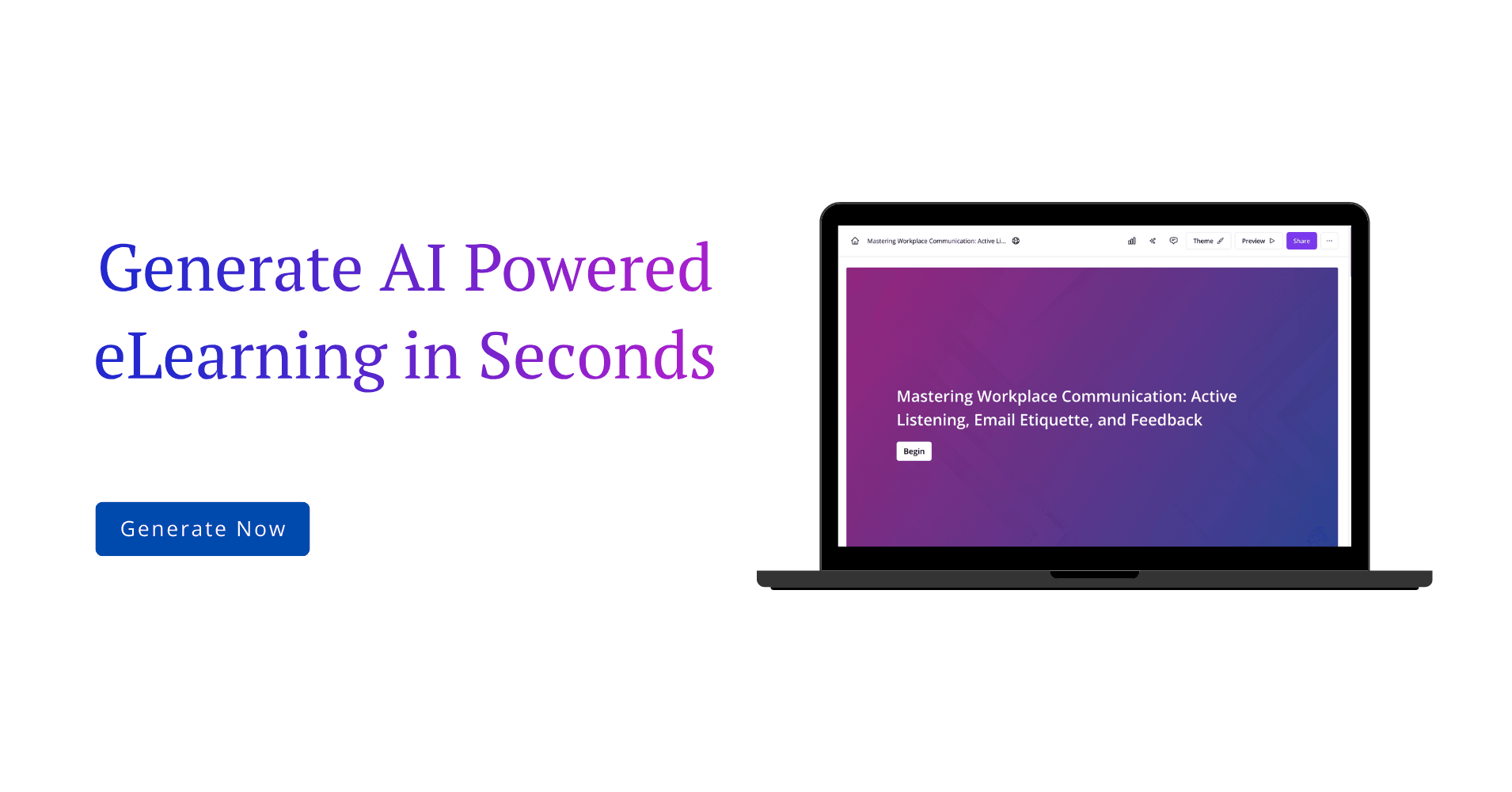
Mindsmith is an AI-native eLearning authoring tool designed to accelerate the creation of engaging and effective learning experiences. It leverages AI to generate interactive lessons and branching scenarios from various documents, including SOPs, web articles, and presentations. The platform offers a rich library of over 20 interactive elements, such as text blocks, images, assessment questions, and sorting activities, allowing for full customization. Mindsmith supports real-time team collaboration, offers SCORM and xAPI integration, and provides analytics for insights and reporting. It is built for enterprise scale, security, and brand consistency, featuring WCAG 2.2 AA accessibility, advanced branding, and multi-language support.
Hands-on-Machine-Learning
Hands-on-Machine-Learning is an open-source educational resource consisting of Jupyter notebooks designed to help Chinese learners quickly grasp the fundamentals of Machine Learning and Deep Learning. It utilizes popular Python libraries like Scikit-Learn and TensorFlow. The project distinguishes itself by integrating detailed Chinese comments directly within the code examples, eliminating the need for frequent cross-referencing with external textbooks. This approach mirrors the format of well-known deep learning courses, combining textual explanations with practical code operations for enhanced understanding and hands-on practice. It covers a wide range of topics from basic machine learning concepts to advanced deep learning architectures, including convolutional and recurrent neural networks, and reinforcement learning.
ml-course-msu
ml-course-msu is a GitHub repository offering comprehensive lecture notes and code for a practical Machine Learning course at CMC MSU. It serves as a valuable resource for students and educators, covering a wide range of topics from linear methods and metric methods to neural networks, Bayesian methods, and gradient boosting. The repository includes detailed lecture notes, code examples, and practical assignments with defined deadlines. It also provides information on grading rules, contest links, and contact details for assignment submissions, making it a complete educational package for machine learning studies.
AI-System
AI-System, also known as System for AI, is a comprehensive educational resource developed by Microsoft, designed to deepen understanding of computer systems supporting artificial intelligence. This open-source project offers a structured curriculum covering foundational AI knowledge, system overviews, and advanced topics like computational graph compilation, neural network optimization, and automated machine learning systems. It includes practical lab exercises utilizing mainstream frameworks and tools, encouraging hands-on implementation and optimization. The resource aims to bridge the gap in AI education by focusing on the system-level innovations crucial for the rapid advancement of AI technologies, making it suitable for advanced undergraduates and graduate students.
e2eML
e2eML, maintained by Brandon Rohrer, serves as an educational hub for individuals interested in machine learning, robotics, and data science. The platform features extensive 'Book Projects' that break down complex topics into digestible chapters, including building custom tokenizers, defining tasks for AI, and setting up secure web servers. It also covers practical applications like reinforcement learning, signal processing, and data munging. Beyond theoretical knowledge, e2eML provides Python packages and algorithms, offering a comprehensive resource for both learning and practical implementation in various technical domains.
DeepLearningNotes
DeepLearningNotes is an open-source project hosted on GitHub, offering comprehensive handwritten notes for the 'Deep Learning' flower book. This resource is meticulously maintained by Sophia-11 and Kings, a 985 AI PhD, providing detailed explanations and mathematical derivations for various deep learning concepts. The notes cover fundamental machine learning principles, core deep neural network knowledge, and cutting-edge deep learning research. Users can access scanned PDF versions of the notes, which are regularly updated. It serves as an invaluable study aid for students, researchers, and anyone looking to deepen their understanding of deep learning through a structured, hand-compiled format.
code-of-learn-deep-learning-with-pytorch
code-of-learn-deep-learning-with-pytorch is a comprehensive GitHub repository that serves as a companion to the book "Learn Deep Learning with PyTorch." It provides all the instance code discussed in the book, covering a wide range of deep learning topics from PyTorch basics to advanced applications. The repository is actively maintained and updated to reflect changes in PyTorch versions and advancements in deep learning technology, ensuring the code remains relevant and functional. It includes detailed examples for neural networks, convolutional neural networks, recurrent neural networks, generative adversarial networks, and deep reinforcement learning. Additionally, it covers practical applications in computer vision and natural language processing, making it an invaluable resource for anyone looking to learn and implement deep learning with PyTorch.
EvidenceB
EvidenceB has developed an AI Tutoring Platform that leverages the latest research in artificial intelligence and cognitive sciences to personalize and adapt learning content. This platform, recognized with international awards, supports various educational sectors including K-12, higher education, and professional training. EvidenceB integrates adaptive learning modules designed to boost fundamental knowledge acquisition and intrinsic motivation in students. The solutions are built on 'evidence-based education,' combining cognitive science, AI, and UX learning interfaces to create engaging, personalized digital learning paths. The company collaborates with educators globally to develop intelligent pedagogical assistants for primary and secondary school students.
MachineLearning_Python
MachineLearning_Python is an open-source GitHub repository offering Python implementations of fundamental machine learning algorithms. It serves as a valuable resource for those looking to understand and apply these algorithms, covering topics such as linear regression, logistic regression, BP neural networks, SVM, K-Means clustering, PCA, and anomaly detection. The repository includes detailed explanations of cost functions, gradient descent, regularization, and practical examples like handwritten digit recognition. It also demonstrates how to leverage the scikit-learn library for efficient implementation of these models, making it suitable for both learning and practical application in machine learning projects.