
Content & Design
Browsing page 512 of AI tools for Content & Design. Sorted by confidence score — our independent quality rating.
Musical AI
Musical AI offers a scalable solution for attribution and rights compliance within the generative music industry. It operates entirely downstream of music generation, integrating at the output boundary without requiring access to model internals or changes to training pipelines. This approach allows AI companies to ship licensed generative music without slowing down their development process, preserving control over models and proprietary IP. The platform provides auditable, repeatable attribution records aligned with music rights, priced per attribution event to offer predictable unit economics for finance teams. It helps turn rights holders into partners by providing proportional pro-rata influence aligned with licensing deals and evidence-linked results for audits.
ToonAI - Cartoon Photo Editor
ToonAI is a mobile application designed to transform ordinary photos into captivating cartoon and anime art using advanced AI technology. Users can effortlessly convert selfies into stunning cartoons or caricatures with a single tap, or apply anime and manga filters to achieve a Studio Anime look. The app also features a 'Toon Pet' function for cartoonifying pets and 'big head' filters for humorous caricatures. Additionally, ToonAI includes a magic AI avatar generator for creating unique profile pictures suitable for platforms like Instagram, TikTok, and Snapchat. With its 3D cartoon photo editor, users can enjoy cool toonify backgrounds and an auto background remover, enabling professional-style edits and making it easy to join the anime avatar trend.
Elia
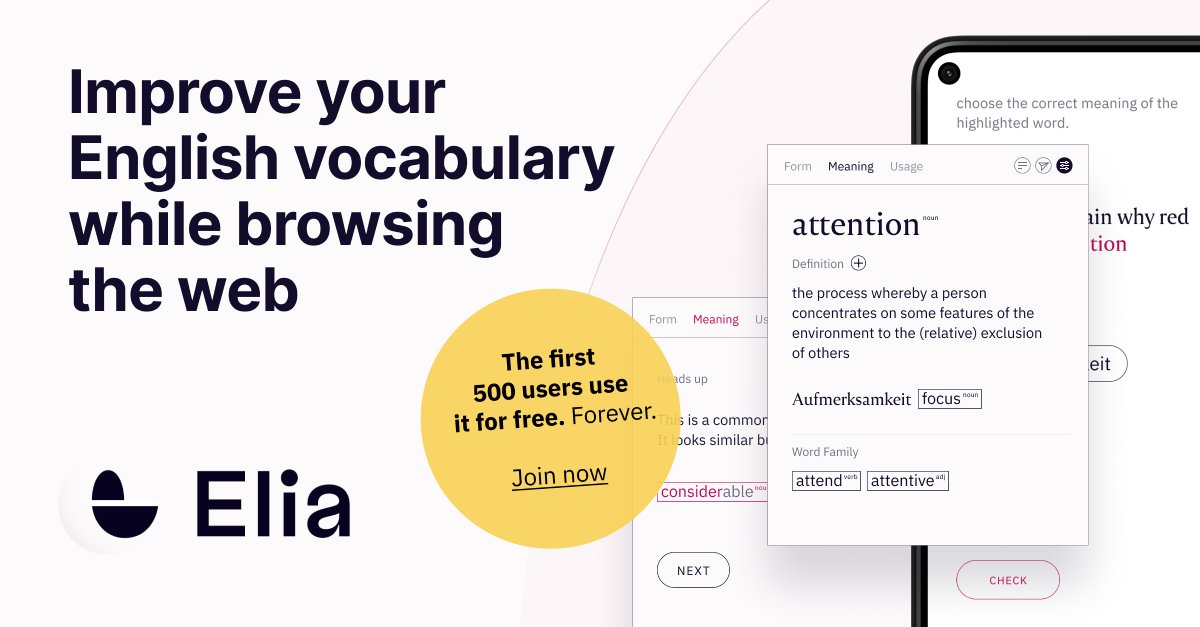
Elia is an AI-powered tool designed to significantly enhance English vocabulary and language skills directly within the user's browsing experience. It enables users to translate English words on any webpage with a single click and save them to a personalized wordlist for future practice. A key feature is Elia's ability to highlight saved words on other websites, reinforcing learning through repeated exposure. Furthermore, it identifies and highlights new words tailored to the user's proficiency level, facilitating the acquisition of up to 300 new words monthly from their favorite online content. Elia aims to boost productivity and job performance by making language learning an integrated and effortless part of daily web browsing.
Yesicon
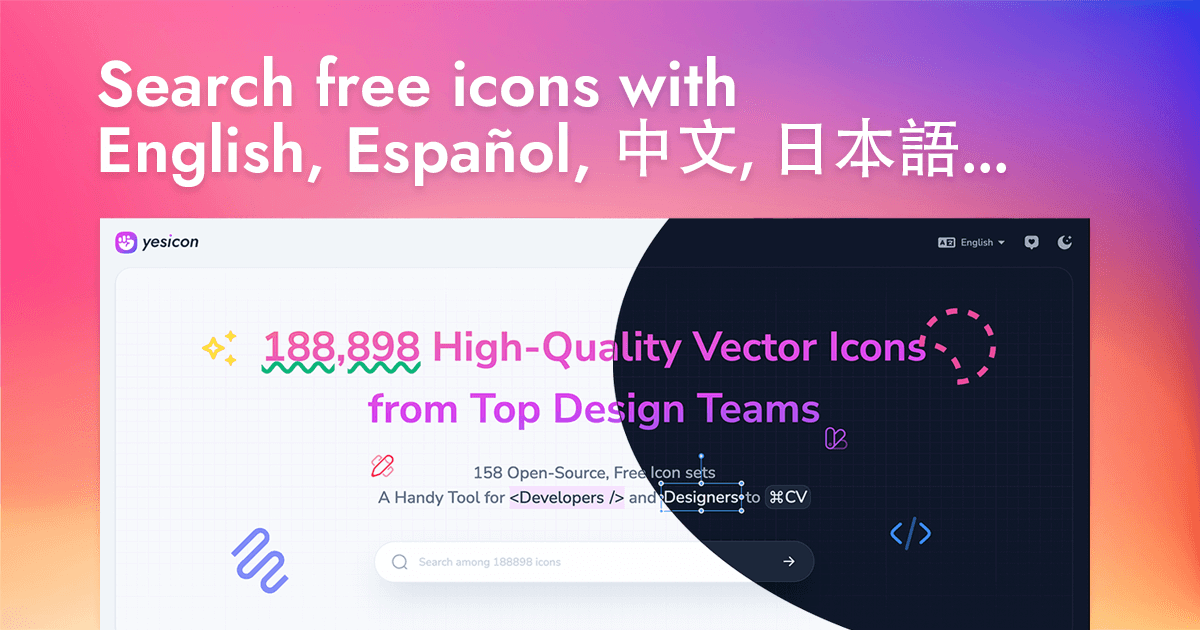
Yesicon offers a comprehensive collection of open-source vector icons, featuring 223 icon sets with over 290,000 icons. Users can efficiently search across these icon sets in multiple languages, utilizing rich filtering options by type and style to find the perfect icon. The platform provides quick customization tools for adjusting icon colors and sizes, along with various code styles. Developers and designers can benefit from one-click copy and download functionalities, making it easy to integrate icons into their projects. Yesicon is licensed under an open-source model, allowing free download and use, and supports formats like SVG and PNG, as well as frameworks like React, Vue, Svelte, TailwindCSS, and UnoCSS.
my-neuro
my-neuro is an open-source project designed to help users create their own personalized AI desktop companions. Inspired by Neuro Sama, this tool allows for extensive customization of characters, including voice, personality, and appearance, compatible with various Live2D models. It boasts ultra-low latency responses, with conversations responding in under one second, and supports both local inference with open-source LLMs and integration with closed-source AI models via DMXAPI. Key features include long-term memory, visual recognition, voice cloning, and LLM training, enabling the AI to remember user interactions, understand visual cues, and adapt its responses. The project also plans to integrate advanced human-like interaction designs, such as real-time interruptions, emotional responses, and desktop control capabilities, making it a versatile platform for building deeply personal AI companions.

AI Portrait Series of Photos
AI Portrait Series of Photos is an iOS mobile application designed to effortlessly transform a single user-provided image into a diverse collection of AI-generated portrait photos. This tool empowers users to create a wide array of professional or artistic portrait styles from one source photo, making it ideal for generating unique profile pictures, avatars, or creative social media content. Its focus on portrait generation from a single input image offers a convenient way to produce varied visual content without needing multiple photo shoots or advanced editing skills.

Picadelic AI Effects in Motion
Picadelic AI Effects in Motion is an innovative mobile application designed to bring photos to life with stunning animated 3D effects. Users can quickly and easily transform static images into captivating animated art using a wide array of mesmerizing effects unique to the platform. The app leverages AI to enhance creation, making the process effortless and fast. From dazzling light shows and elegant ink sketches to dramatic disintegrations and mind-bending glitches, Picadelic provides a diverse selection of visual effects. It's ideal for spicing up old photos, creating new digital art, and generating engaging content for social media, allowing users to refresh their photo libraries in an entirely new way.

AI Photo Talks - AI Talk Video
AI Photo Talks - AI Talk Video is an Android mobile application designed to bring static images to life by transforming them into dynamic talking videos. Users can easily convert their favorite photos into engaging video clips, making them suitable for personal messages, social media sharing, or creative storytelling. The app facilitates this transformation by allowing the addition of voices to images and providing access to a library of pre-designed video templates. This innovative tool offers a straightforward way to add a new dimension to visual content, making pictures more interactive and expressive. It caters to individuals looking for an accessible method to create unique video content directly from their mobile devices.

ResMe
ResMe is a free resume builder designed to help users land their dream jobs with AI-powered resumes. It features an intuitive editor that allows for quick changes and instant previews, with the ability to edit directly in the preview. The platform assists users in writing concise resumes and formatting them for optimal performance, including AI-enhanced bullet points. ResMe supports exporting resumes as PDF, Word, or sharing live links. It also offers ATS optimization to ensure resumes are effective for both applicant tracking systems and human recruiters. Users can manage multiple resumes, store work history, and create job-specific tailored resumes.

RecipeAI Plus
RecipeAI Plus is an intelligent mobile cooking companion designed to simplify meal discovery and help home cooks explore a wide range of culinary options. Users can snap a photo of any ingredient or dish and receive instant, personalized recipe suggestions powered by advanced AI. Beyond recipe generation, the app automatically calculates nutritional information and calorie counts for any meal. It also offers robust recipe management features, allowing users to save, organize, and customize their favorite recipes to build a personal cookbook effortlessly. Personalization options enable users to set dietary restrictions, allergies, and preferences for recipes tailored specifically to their needs. Additionally, it can generate multiple recipe variations from the same image to match different tastes and moods. Premium features unlock unlimited generations, enhanced images, and priority support.
Capte
Capte is an AI-powered tool designed to streamline video content creation, making it faster and simpler for creators, agencies, and businesses. It automatically transcribes videos in seconds, generates subtitles, and offers translation into dozens of languages. Users can customize subtitle styles with themes, effects, and emojis, and automatically generate short video clips from longer content for social media platforms like Instagram, TikTok, and YouTube Shorts. The tool also assists with generating social media posts for associated networks and exports videos in Full HD and 4K quality, supporting various import formats like HDR, MP4, and MOV.

Cincai Cook - AI Recipe
Cincai Cook is an innovative AI-powered mobile application designed to simplify meal planning and cooking. Available on iOS, this smart cooking companion helps users decide what to cook daily by generating instant meal ideas. A key feature is its ability to utilize ingredients users already have on hand, reducing food waste and making grocery shopping more efficient. The app offers extensive customization options, allowing users to tailor meal suggestions based on their cuisine preferences, dietary needs, and available ingredients. This makes Cincai Cook a versatile tool for anyone looking to streamline their cooking process and discover new recipes effortlessly.
Anotta: Private AI Transcriber
Anotta is a mobile application designed for private, on-device AI transcription and summarization. It allows users to record meetings, lectures, ideas, or voice memos and instantly receive accurate transcripts, smart summaries, and translations. A key differentiator is its 100% on-device processing, meaning no data is ever sent to the cloud or any server, ensuring complete privacy and offline functionality. Powered by Whisper AI for transcription and SmolLM2 for summaries, Anotta supports over 20 languages and offers different AI model sizes for speed or accuracy. Users can organize, edit, and export their notes in various formats, making it ideal for professionals, students, journalists, and anyone prioritizing data privacy in their note-taking workflow.
TypeAri
TypeAri is a Chrome extension designed to offer AI-powered writing assistance directly within any online text box. This tool facilitates real-time translation, allowing users to communicate across language barriers seamlessly. Beyond translation, TypeAri also focuses on improving the overall quality of writing, helping users refine their grammar, style, and clarity. The primary goal of TypeAri is to streamline communication and content creation processes, making it easier and faster for users to produce high-quality text across various online platforms. Its integration as a Chrome extension ensures accessibility and convenience for users working within their web browsers.
Henshu
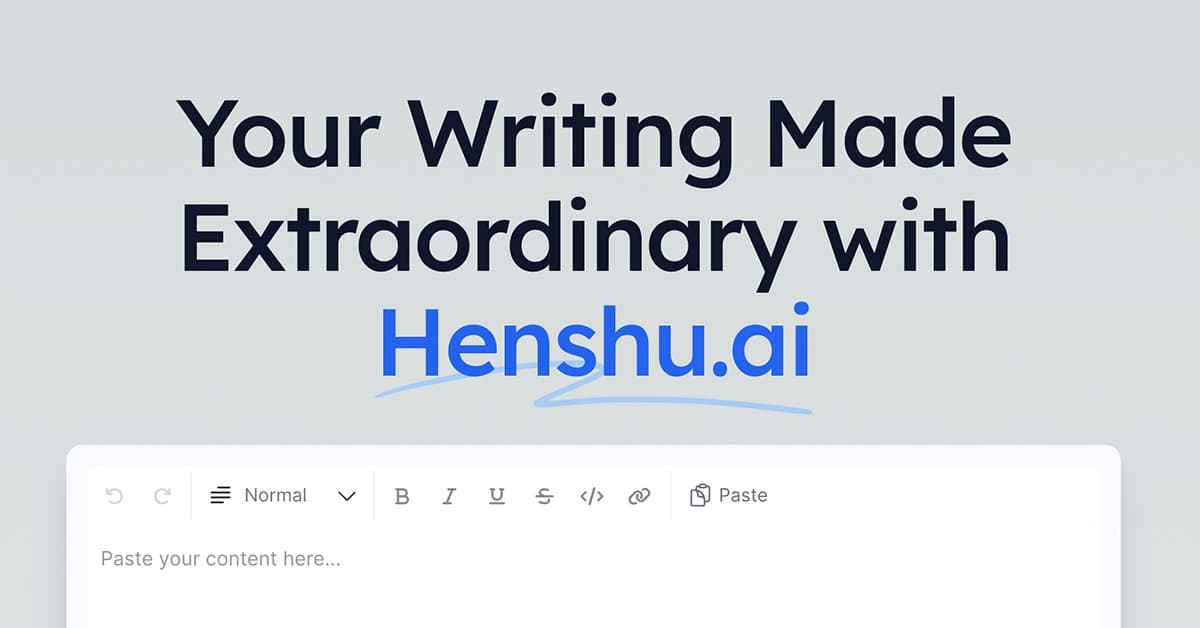
Henshu is an AI-powered writing editor designed to elevate content from ordinary to extraordinary. It helps users refine their initial drafts into impeccably crafted content, tailored to captivate target audiences. Key features include transforming text with AI-driven technology, crafting persuasive copy for sales and marketing, streamlining content organization with optimized wording, and seamless language integration for natural translations. Henshu also allows for instant style transformation, adapting writing between casual and professional tones. It aims to be a faster and more cost-effective solution than traditional human editors, offering significant improvements in speed and cost for content revision.

SmartNotes AI
SmartNotes AI is an AI medical scribe designed to unburden healthcare professionals from manual note-taking. It transforms live patient conversations into structured SOAP Notes, patient summaries, and automated billing codes (CPT, ICD-10, HCPC) in real-time. The tool is HIPAA-compliant, encrypted end-to-end, and integrates seamlessly with major EMR systems like Athenahealth, Epic, and eClinicalWorks, allowing one-click note pushing. SmartNotes AI acts as a virtual AI physician assistant, offering pre-visit context, mid-visit prompts, and post-visit task suggestions. It supports multiple languages and is accessible across web, mobile, and desktop platforms, aiming to reduce documentation time and improve billing accuracy.
Podium
Podium was an AI tool designed to supercharge podcast production, offering a suite of features to automate and enhance content creation. It provided instant transcripts, show notes, chapters, and highlight clips, significantly reducing the time and effort required for post-production. Users could generate marketing collateral like social media updates and blog posts using PodiumGPT, and easily create shareable audiograms. The platform also offered fully editable transcripts with speaker diarization, making podcasts more accessible. Although the platform is now winding down, it aimed to help podcasters save hours and reach new fans by simplifying complex tasks.

AI Image Generator ~ DALI Art
CHAT AI PRO is an AI tool designed to generate human-like responses in real-time, adapting to user input. It offers a versatile range of capabilities, including answering questions, generating creative content such as stories, essays, and poems, and engaging in conversational interactions. The tool aims to provide natural and coherent answers, making it suitable for various applications requiring dynamic and intelligent text generation. Its core functionality focuses on understanding user queries and producing relevant, human-quality text outputs.

Pasto AI: Recipe Generator
Pasto AI is an innovative mobile application designed to combat unhealthy eating habits and reduce food waste by simplifying the process of cooking fresh, home-cooked meals. Users simply take a photo of their fridge contents or individual ingredients, and the AI-powered app generates personalized recipes. It provides nutritional data for each ingredient and the final meal, allowing users to control the health profile of their dishes. The app also features a save function for favorite recipes, enabling users to build their own collection. Built on cutting-edge Google technologies, including Gemini and the Nano Banana Image Model, Pasto AI aims to be an intelligent kitchen assistant, offering fast recipe loading times and a user-friendly experience. It is currently in Beta, with plans for future expansion into fitness and gamification features.

Roomsgpt
RoomsGPT is an AI-powered platform designed for interior and exterior home design, allowing users to visualize redesigns instantly. Users can upload a photo of any room, choose from over 61 design styles, and watch as AI transforms the space in seconds. The platform offers free daily credits and requires no signup to get started. Beyond interior rooms like bedrooms, kitchens, and living rooms, RoomsGPT also provides tools for AI home exterior and garden design. Its Design Studio allows for advanced editing, including visualizing paint colors, swapping materials, resizing images, and adding text overlays. Additionally, it features free home improvement tools like calculators, color pickers, and paint color guides.
Adsbot
Adsbot is an AI-powered platform designed to optimize, automate, and monitor performance marketing campaigns across various platforms including Google Ads, Meta Ads, TikTok Ads, and LinkedIn Ads. It helps marketers save budget and time by providing 24/7 recommendations and enabling one-click changes directly to ad platforms. Key features include an AI Audit that analyzes performance, identifies risk areas, and suggests actions, as well as one-click optimization for keywords and placements. The platform also offers a Rule Engine for custom automations, allowing users to manage budgets, add keywords, and pause campaigns efficiently. Additionally, Adsbot provides automated reporting, multi-channel dashboards, KPI tracking, and budget control to give users a comprehensive overview of their marketing efforts.

MyMood AI: AI Photo Generator
MyMood AI is an innovative AI photo generator that transforms selfies into stunning, personalized avatars and photos with cutting-edge technology. Users can instantly create high-quality images in over 6,000 styles, ranging from professional headshots to unique vacation and dating app photos. The platform simplifies the photo creation process into three steps: uploading selfies, choosing a style from its extensive library, and adjusting finer details like facial expressions, hair, and clothing. MyMood AI aims to provide a professional photography studio experience directly on your device, making it easy to generate and share polished images for social media or personal use without the hassle of traditional photography or complex editing.
tacotron
Tacotron is a TensorFlow-based open-source project providing an implementation of the Tacotron text-to-speech synthesis model. It enables developers and researchers to train and experiment with fully end-to-end speech synthesis. The tool supports multiple speech datasets, including the LJ Speech Dataset, Nick Offerman's Audiobooks, and the World English Bible, offering flexibility for different training needs. It provides a well-documented framework, outlining requirements, data preparation steps, training procedures, and sample synthesis. Key features include gradient clipping, Noam style warmup and decay, and bucketed training batches, making it a robust platform for advanced speech synthesis research and development.
image-gpt
Image-GPT is an open-source project from OpenAI, offering the code and models described in the paper "Generative Pretraining from Pixels." This repository is designed as a foundational resource for researchers and engineers interested in experimenting with image GPT (iGPT). It highlights how the GPT-2 architecture can be adapted for image generation tasks. The project includes functionalities for downloading pre-trained models, datasets like ImageNet and CIFAR-10, and color clusters. Users can sample from different iGPT model sizes (S, M, L) and evaluate their performance, making it a valuable tool for academic exploration in generative image modeling. The project is archived and provided as-is, with no further updates expected.